Why Building a Pro Plugin Collection Does Not Have to Be Expensive
Building a serious plugin collection on a small budget is totally possible. You do not need a studio full of pricey tools to make pro mixes and tracks. You need a smart plan, a clear idea of what you actually use, and a good eye for music software deals that truly help your sound.
If you know where to look for the best music software deals, you can build a pro-level plugin collection without draining your bank account. Marketplaces focused on audio plugin deals help you get premium tools for a fraction of the list price, which is exactly what we focus on at Audio Plugin Deals. The goal is not to chase every sale, but to build a tight, powerful toolkit that works for your style.
Define Your Real Needs Before You Spend a Cent
Before you buy anything, it helps to know who you are in the studio. Are you mostly a producer, a composer, a sound designer, a mixer, or a mix of all of these? Your main role shapes which plugins actually matter.
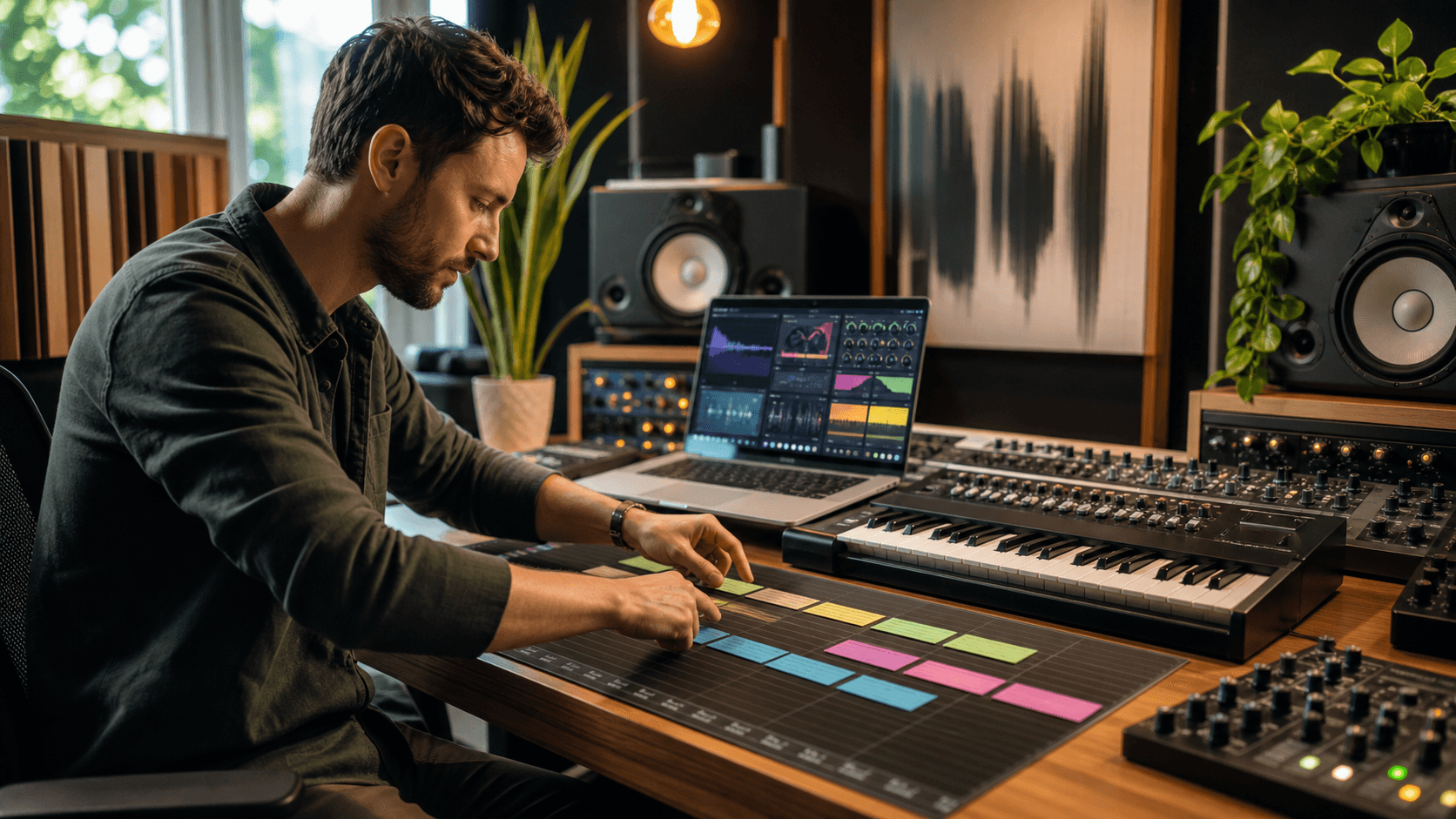
A simple way to start is to split your needs into must-have and nice-to-have:
- Must-have effects: EQ, compression, basic reverb, basic delay, limiter
- Must-have instruments: at least one main synth or sampler that covers your main style
- Nice-to-have extras: specialty reverbs, guitar tools, tape and tube color, weird FX, extra synths
Before chasing every shiny music software deal, define which plugin categories you actually need for your workflow. Take a slow walk through your DAW and write down what you already own. Many stock EQs, compressors, and reverbs are strong enough for most work. Use discount-driven purchases to fill specific holes in your setup, not to hoard redundant tools you will load once and forget.
Ask yourself a few simple questions:
- Do I already have something that does this job well enough?
- Will I use this on most sessions, or just once in a while?
- Does this help me finish songs faster or just give me more options to scroll through?
When we think this way, we stop buying from fear of missing out and start buying from a clear plan.
Start with High-Impact Essentials
Modern DAWs ship with good stock plugins, so you do not need third-party tools for every single task. The trick is to spend on the places where upgraded plugins really change how your mixes or tracks sound and feel. That might be a great character compressor, a mastering limiter you trust, a special reverb, or a flagship synth that inspires you.
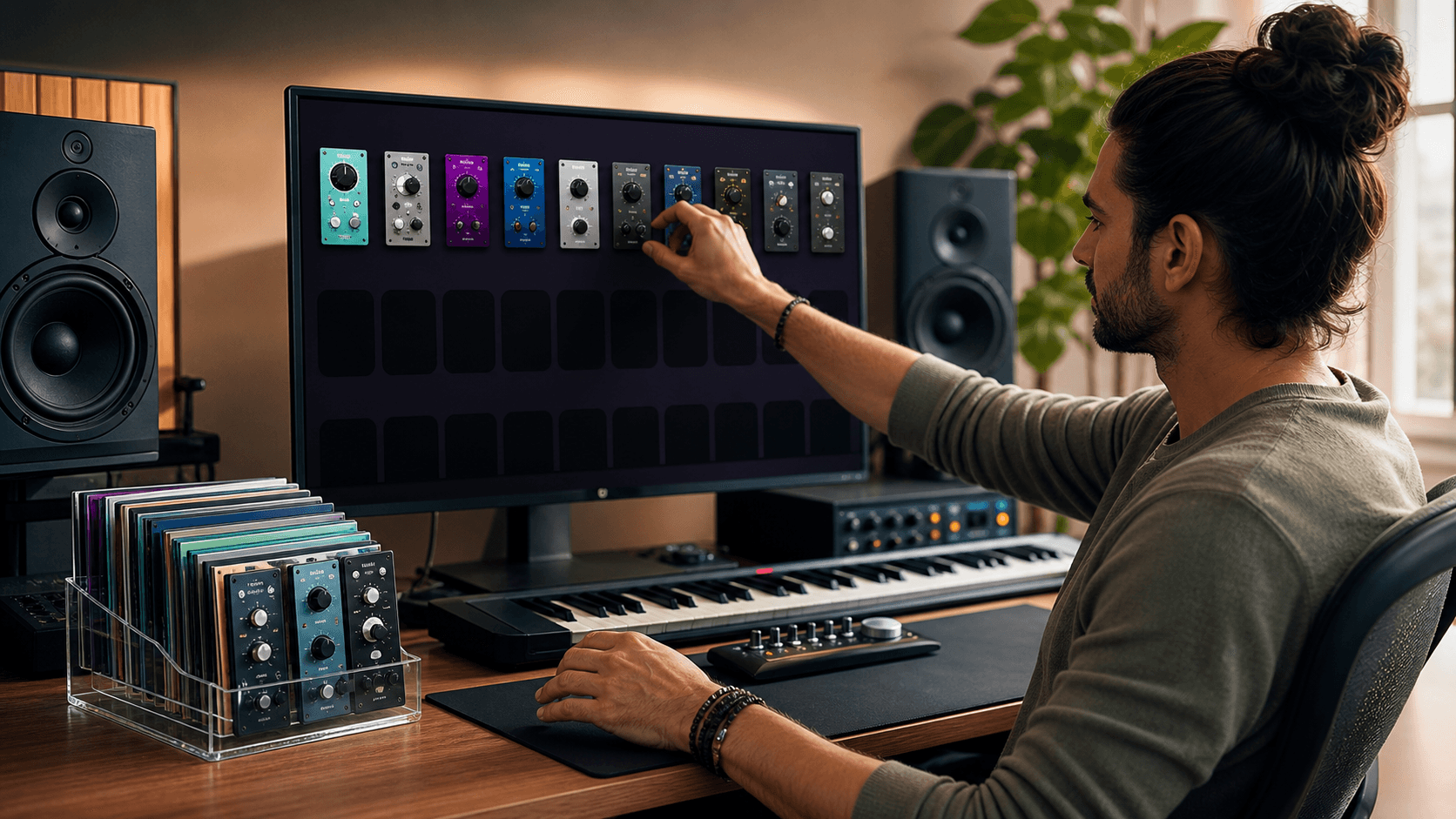
A simple starter portfolio could look like this:
- One great channel strip or EQ you love on many sources
- One versatile compressor that works on drums, vocals, and buses
- One main reverb and one delay that cover clean and character sounds
- One go-to synth or sampler that fits your main genre
- One or two color tools, like saturation, tape, or a tone-shaping EQ
If you focus your early music software deals on a few high-impact essentials, you will cover most real-world mixing and production tasks. Let your DAW stock effects handle utility work like basic EQ shifts or simple compression, and use discounted premium plugins where they truly make a difference.
Then, commit to learning these core tools deeply. Spend time with them, read the manuals, test them on many sounds. When we know our main tools inside and out, every new plugin has to earn its place, which makes future music software deals more targeted and more useful.
How to Hunt and Time the Best Deals
Most of the best music software deals follow a predictable seasonal rhythm. There are big events around major holidays, mid-year sales, and special promotions that tend to come back again. Developers also run short promos when they launch new plugins or updates.
At Audio Plugin Deals, our focus is time-limited offers on premium instruments and effects. Deals rotate, so there is always something fresh, but each offer is available only for a short window. You will often see things like big discounts on single titles, bundles that group several tools together, and rewards that thank repeat customers.
To make the most of this, build a simple plan:
- Keep a shortlist of target plugins or categories you truly need
- Subscribe to newsletters from marketplaces that focus on audio plugin deals
- Set alerts or calendar notes around common sale seasons
- Decide in advance how much you are willing to spend during a sale window
That way, when a music software deal lines up with your needs, you are ready to act without guessing. You are not just scrolling through offers; you are matching specific tools to a plan you already trust.
Maximize Value with Bundles, Freebies, and Crossgrades
Some of the most powerful music software deals come in bundle form, where you get multiple plugins for less than the cost of a single title at full price. A strong bundle can cover a whole category at once, like a full set of synths, a group of mix tools, or a range of virtual instruments for composing.
Freebies, intro offers, and lite versions can also be smart moves. Grabbing a free or low-cost instrument today can qualify you for crossgrade-only music software deals down the line. That means a plugin that feels out of reach right now might drop into your budget later, just because you picked up a starter version.
Before you jump on any bundle, slow down and check:
- Do at least a few of these plugins match gaps in my setup?
- Is there a lot of overlap with what I already have?
- Will I honestly use most of what is inside?
The goal is not to collect everything. It is to let each purchase move your whole studio forward in a clear way.
Avoid Common Budget-Killing Mistakes and Grow Over Time
Big discounts can trick us into thinking every sale is a win. But a bad purchase is still expensive, even at a huge discount. A smart music software deal is one that solves a real problem in your sessions, not just another icon in your plugin folder.
Two traps show up a lot:
- Impulse buying just because something is 80 percent off
- Plugin-hoarding that slows down your workflow and makes choices harder
Resist the fear of missing out; there will always be more audio plugin deals, but your time and focus are limited. When a deal pops up, check demos and reviews if you can, and pay attention to how heavy the plugin is on your system. You want tools that feel smooth to use, not ones that freeze your DAW every few minutes.
It also helps to think in phases instead of trying to buy everything at once. Start with core mixing tools and one main instrument. Then add specialty effects and genre-focused instruments. Later, look at mastering tools and extra flavor pieces. By combining a clear upgrade roadmap with targeted music software deals, you can grow from a basic setup to a truly pro studio over time.
At Audio Plugin Deals, we care about helping you build a focused, powerful collection that fits your workflow and your budget, step by step, so your plugins support your music instead of getting in the way.
Unlock Exclusive Savings On Pro Audio Tools
If you are ready to upgrade your studio without overspending, explore our curated music software deals and get more value from every plugin. At Audio Plugin Deals, we handpick offers that help you create, mix, and master with confidence. If you have questions about a product or a deal, contact us and we will help you find the right tools for your workflow.